

QUALITY MADE IN TÜRKİYE · INSPIRED BY ISTANBUL
GALATA CAT BLOG

Life with cats

Helpful information and inspiring articles about cat litter, clean living spaces and everyday life with cats.

Blog articles

Tips and stories to support your cat’s comfort and a peaceful home.

Kum kabında doğal davranışlarını sürdüren kedi
Cat Care

Cat Litter: The Foundation of a Clean and Comfortable Life

Cat litter is more than a cleaning product; it provides a suitable place for cats to express natural behaviours.

Read article ↗
Kedi kumu tanecikleri ve temizlik küreği
Choosing the Right Product

What Should You Consider When Choosing Cat Litter?

Consider your cat’s preference, dust, fragrance, absorbency and ease of cleaning together.

Read article ↗
Kedisiyle huzurlu bir an paylaşan insan
Life with Cats

To Love a Cat Is Also to Understand People a Little Better

Living with a cat teaches us to notice habits, respect space and find care in everyday moments.

Read article ↗
Cat Care

Cat Litter: The Foundation of a Clean and Comfortable Life

How to create a clean, comfortable toilet area that supports a cat’s natural behaviour.

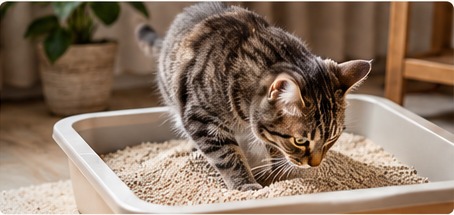
Cat using a litter tray

Cats are clean animals that develop familiar habits in their living spaces. Being able to use the toilet comfortably is an important part of their daily routine. For indoor cats, litter is more than a cleaning product: it helps provide a suitable place for natural behaviour.

Supports Natural Behaviour

Cats may scratch the ground before using the toilet and cover their waste afterwards. Cat litter allows them to continue these natural behaviours at home.

A texture they can comfortably scratch and move through can make the tray easier to use. Every cat has individual preferences, however, and a texture, scent or granule size that suits one cat may not suit another.

Keeps the Toilet Area Clean

Litter absorbs urine or forms clumps, making waste easier to remove. With regular care, it helps keep both the litter area and the home clean.

Even good litter does not remove the need to maintain the tray. Remove waste daily, top up litter as needed and clean the tray according to the product instructions.

Helps Maintain Toilet Habits

A dirty tray, strongly perfumed litter or unfamiliar texture may make a cat reluctant to use its tray. Observe whether your cat uses the litter comfortably, and introduce a new product gradually.

Odour Control Depends on Regular Care

Litter that retains liquid and moisture, combined with regular cleaning, can help reduce unwanted smells. Strong perfume may not appeal to every cat; regular waste removal and a suitable litter are more important than masking odours.

The Tray’s Location Matters Too

The tray should be spacious enough for the cat to turn around and scratch comfortably. A quiet, accessible location away from food and water bowls helps. In multi-cat homes, provide enough trays for all cats.

Choosing the Right Product

What Should You Consider When Choosing Cat Litter?

Key features to consider when choosing litter for your cat.

Cat litter granules and scoop

Consider these features together when choosing cat litter:

  • Your cat’s preference: Prioritise a texture and granule size your cat uses comfortably.
  • Dust level: Lower-dust products may make use and cleaning more comfortable.
  • Fragrance intensity: Choose a product your cat accepts rather than relying on strong perfume.
  • Absorbency and ease of cleaning: Easy waste removal supports regular daily care.
  • Instructions for use: Follow the manufacturer’s guidance on litter depth, replacement and waste disposal.

Cat litter is part of the living space a cat uses every day. Suitable litter, a clean tray and a quiet location help cats maintain their natural habits. Observe your cat’s behaviour and responses to make the best choice.

Life with Cats

To Love a Cat Is Also to Understand People a Little Better

Small routines, personal space and the bond that grows through everyday care.

Person relaxing with a cat

When a cat moves in, the rhythm of a home changes in small ways. The chair by the window is no longer yours alone. A pen left on the table may be on the floor the next morning. A new bed may be ignored while a cardboard box becomes a favourite sleeping place.

At first, these things surprise you. Then you notice that you check where the cat is before sitting down. If it is asleep, you settle at the edge so you do not disturb it. You have begun to consider another creature’s comfort too.

Closeness Has Its Own Timing

Sometimes you call your cat and it does not come. You reach out, and it turns away. Just when you think it has ignored you all day, it stretches out in front of your computer. You need to work; the cat has decided this is the moment to meet.

As you get to know a cat, you learn not to take these moods personally. It may not always want affection or sit on your lap for long. Still, it follows you from room to room and finds a corner near you. Living with a cat teaches you that it is possible to be close without touching.

Sometimes we forget this in human relationships: giving someone space does not mean moving away from them.

Coming Home

Some evenings, you do not feel like talking. The day has been tiring, and you have little energy left. When you enter, a cat appears in the hallway. Perhaps it has been waiting for you, perhaps for dinner. Often there is no need to separate the two.

You put down your bag, serve its food and refresh its water. Then it settles into its familiar corner, and you sit nearby. After a busy day, this small routine feels good.

Your cat does not solve your problems or reduce tomorrow’s tasks. But sometimes the presence of a sleeping companion is enough to make the evening feel less lonely.

Love Shows Up in Everyday Care

We often talk about soft fur, funny sleeping positions and playful antics. But living together also has a side that rarely makes it into photographs.

Early-morning requests for food, a litter tray that needs cleaning, fur on the sofa, worry when it becomes ill: love finds a place in all of these. You refresh its water when tired, notice changes in appetite and arrange care before travelling.

Over time, you learn its habits: which toy it likes, which sounds frighten it, and when it wants to be alone. The bond grows through these repeated small acts.

You Do Not Need to Know Every Cat’s Story

Sometimes a cat curled up by a doorway or a brief look is enough to make us feel close. We may not know where it came from or how old it is, yet we wait for it to drink the water we leave.

Not every cat approaches people. Some keep their distance; others shy away from an offered hand. Helping does not require the animal to accept affection. Leave a clean bowl of water and continue without disturbing it.

The world does not change completely that day, but a thirsty animal finds water. That is where the value of the act lies.

The mark a cat leaves on us often appears in ordinary moments: looking beneath a parked car on a cold evening, checking before opening a window, or dimming the light so we do not wake a sleeping cat.

Then you look at your seat. The cat is stretched out right in the middle again. You shift over and make room for yourself.